
About The House of Bernarda Alba
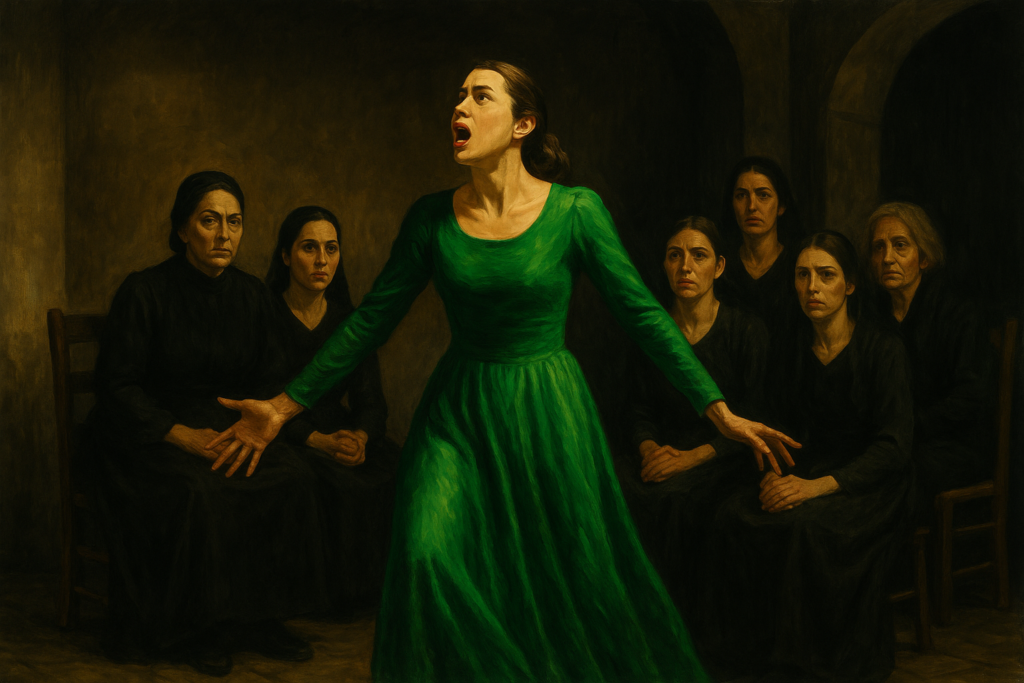
The House of Bernarda Alba is one of the most celebrated works of Spanish playwright Federico García Lorca, written in 1936 shortly before his tragic death. The play is a profound exploration of repression, authority, and the struggle for freedom within a rigid, patriarchal society. Set in a small Andalusian village, it portrays the life of Bernarda Alba and her five daughters, who live under strict control and suffocating traditions. Through powerful dialogue and symbolism, Lorca masterfully reveals the tensions between desire, duty, and societal expectation.
About Federico García Lorca
Federico García Lorca (1898–1936) is regarded as one of Spain’s greatest poets and playwrights of the 20th century. Known for his lyrical style and deep human insight, his works often reflect themes of love, oppression, and social justice. Lorca was not only a literary figure but also a cultural icon whose voice was silenced during the Spanish Civil War. Despite his short life, his legacy endures worldwide, and his plays—especially The House of Bernarda Alba—continue to inspire audiences and theatre-makers with their timeless relevance and emotional depth.